The short answer
Choose hosting around the website's platform, important features, traffic patterns and support needs. Compare maintenance, recovery, account ownership and service limits alongside price; a larger server does not fix every website problem.
Two hosting quotes may look similar until you need help. One includes server administration; another provides an account and expects somebody else to maintain the website.
Before comparing storage space or introductory prices, decide who is responsible for keeping the business online.
Explain what the website does
A brochure website, an online shop and a customer portal have different working requirements. Tell the provider about bookings, payments, staff access, file uploads and connections to other services.
Include busy periods and any known problems. The provider should assess the actual platform and workload before proposing a server size.
Separate hosting from management
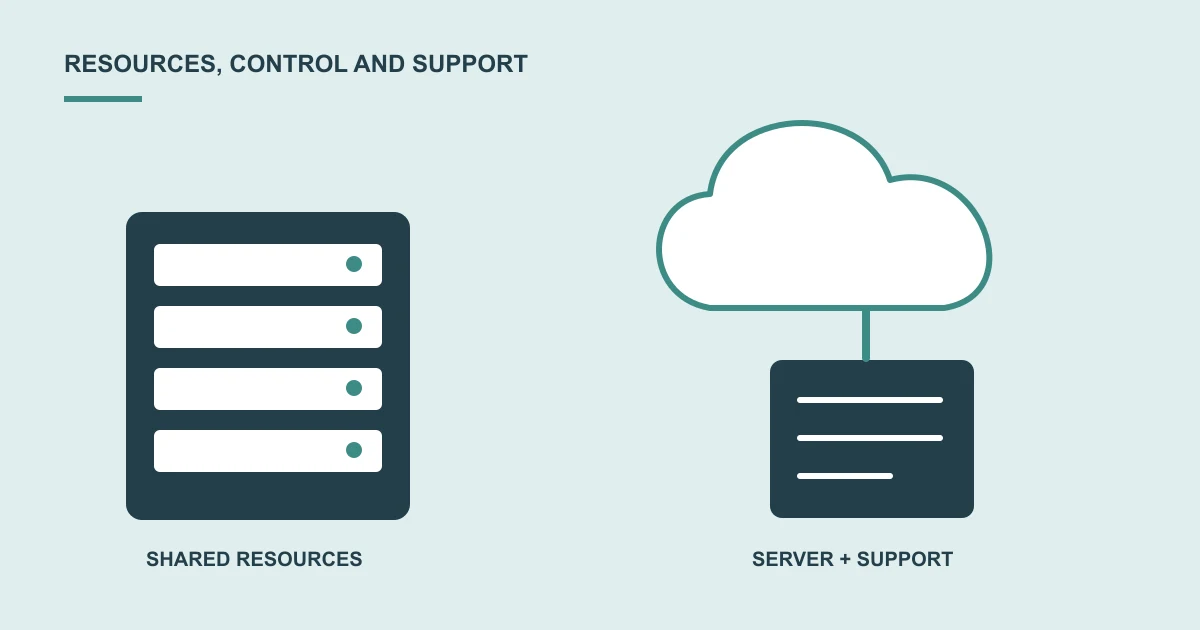
Ask who handles the server, website software, security updates and urgent faults. “Managed†should come with a written scope rather than an assumption.
Clarify how support is requested, when it is available and what costs extra. The hosting company and website developer may each be responsible for different parts of a problem.
Compare recovery and ownership
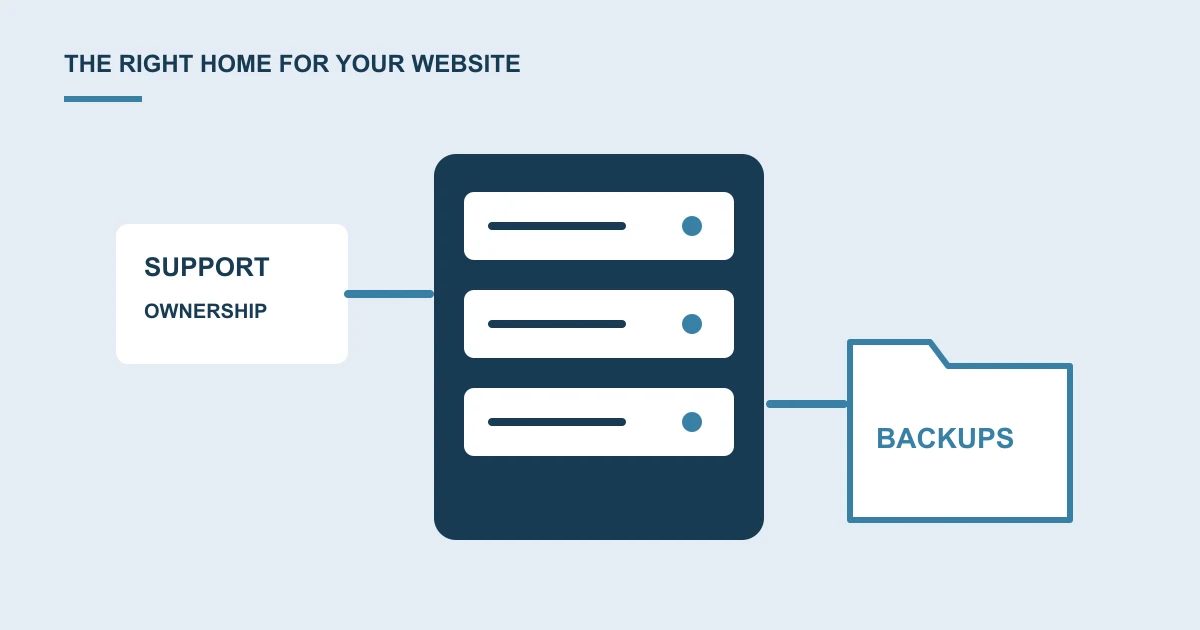
Check what is backed up, how long copies are retained and who performs a restore. Ask whether important copies are separate from the main server.
Your business should know who controls the hosting account, domain and billing. Agree how access and export work if you change suppliers.
Plan a move carefully
A hosting move should include checks on pages, forms, email-related settings and connected services. Agree a transition window and a way to return to the previous setup if needed.
What should managed hosting include in writing?
Ask the provider to separate server administration, website maintenance and business email responsibilities. A plan may cover one without covering the others. Record backup frequency and retention, recovery work, monitoring, software updates and the route for support requests.
Also clarify response arrangements, exclusions and recurring third-party charges. Avoid comparing two quotes solely on the word "managed" when the work included differs.
What should happen before we change hosting?
Make an inventory of the website, domain settings, email-related records and connected services. Agree which data can change during the move, who checks the result and how a problem can be reversed.
The new environment should be checked with the actual pages, forms and bookings your business uses. Our shared, managed and cloud hosting guide explains the responsibility questions to settle before choosing a plan.
How does hosting connect to ongoing website care?
The Yukt Law project combines a redesign with hosting, SSL, backups and continuing maintenance. It is an example of defining website delivery and ongoing care together, rather than treating launch as the end of the responsibility.
It does not mean every hosting package includes the same work. Ask for the responsibilities your own website needs to be written into the engagement.
Explore cloud setup and migration with your website address and current hosting arrangement as the starting point.
Common questions
Is the cheapest hosting plan enough?
It may meet a small site's requirements, but compare resource limits, support, backups, renewal price and the work you must manage yourself. The useful comparison is the complete service your business needs.
Does managed hosting include website updates?
Only if the agreement says so. Ask separately about server management, website software, backups, recovery, email and content changes.
Should the hosting account belong to our business?
Agree ownership and access explicitly. Even when a supplier manages the account, your business should understand billing, recovery and the process for changing providers.
Sources and project context
- Google Search Central: Changing web hosting Checked 22 October 2026
- Yukt Law Offices: redesign and continuing website care Web Build Solutions project record
Turn the question into a clear next step.
Tell us about your current setup, the people using it and what needs to improve.